
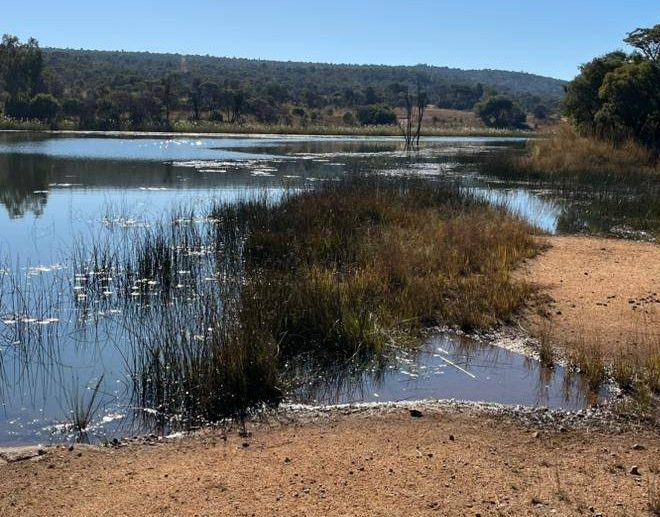

Water Quality: Protecting Wildlife Through Better Water Management
When managing water on a wildlife property, availability is only part of the picture. A dam, reservoir, waterhole, or trough may appear full, but contaminated, overly saline, or poorly maintained water can harm animal health, reduce biodiversity, and undermine conservation goals. Rainfall, evaporation, temperature, wildlife activity, and vegetation continually influence water condition daily.
Why Water Quality Matters
Water regulates body temperature, transports nutrients, supports digestion and reproduction, and removes waste. When its quality declines, these processes become less efficient and animals experience additional stress. Because wildlife cannot be monitored individually, illness may remain unnoticed until several animals are affected. Preventative management is therefore essential.
Healthy water supports stronger immune systems, better breeding success, higher drought survival, increased biodiversity, and more balanced ecosystems. Its benefits extend from large mammals and birds to reptiles, amphibians, insects, and aquatic organisms.
What Influences Water Quality?
Evaporation
Hot weather removes water but leaves minerals behind, increasing salinity. Excessive levels may discourage drinking and affect long-term health.
Rainfall
Rain can dilute minerals, while heavy runoff may carry sediment, nutrients, fertilisers, and organic matter into water sources, encouraging algae.
Wildlife Activity
Crowded waterholes collect sediment and waste, while trampling damages surrounding vegetation and creates conditions favourable to algae and bacteria.
Temperature
Warm water accelerates algae and microorganism growth, especially where nutrient levels are already high.
Common Water Quality Challenges
High salinity may result from groundwater conditions and prolonged evaporation. Algae flourishes where nutrients are high and water movement is limited; excessive growth can reduce oxygen and may produce harmful toxins. Erosion and heavy rainfall cause sediment build-up, reducing storage capacity and adding nutrients. Leaves, grass, animal waste, and decaying vegetation can also promote bacteria and lower oxygen levels. Regular testing and early maintenance help prevent these issues from becoming serious.
Monitoring Water Quality
Appearance alone is unreliable: clear water is not necessarily safe, and naturally coloured water is not necessarily poor. Combine regular visual inspections with periodic testing where appropriate.
Routine inspections should cover:
- Water colour, clarity, odour, and visible algae
- Wildlife activity and water levels
- Pump operation and pipe leaks
- Trough cleanliness
Year-round records reveal seasonal trends and allow managers to address minor concerns before they become costly problems.
Practical Management Strategies
- Protect vegetation around water sources to filter runoff and reduce erosion.
- Repair erosion before sediment enters dams and reservoirs.
- Maintain pumps, pipelines, troughs, and storage facilities.
- Design safe access points that limit bank damage.
- Distribute water points to reduce overcrowding and habitat pressure.
Water Quality, Conservation, and the Future
Poor water quality affects vegetation, insects, aquatic life, predator-prey relationships, and the wider ecological balance. Well-maintained sources encourage biodiversity, strengthen ecosystem resilience, and help wildlife cope with environmental stress. With changing rainfall patterns and rising temperatures across southern Africa, regular monitoring, preventative maintenance, and sustainable water planning will become increasingly important. Small, consistent improvements usually deliver better long-term results than waiting for a major failure.
Conclusion
Providing water is only the first step. Keeping it clean, safe, and suitable throughout the year protects wildlife, improves biodiversity, and builds resilient ecosystems. Healthy water supports healthy wildlife—and healthy wildlife supports thriving conservation landscapes.
Frequently Asked Questions
How often should wildlife water sources be inspected?
Inspect them regularly, especially during hot, dry periods, and include detailed maintenance and testing in a scheduled programme.
Can wildlife drink slightly muddy water?
Many species naturally drink turbid water, but sudden changes in colour or odour, excessive sediment, or algae should be investigated.
Is algae always harmful?
No. Small amounts occur naturally, but excessive growth may signal a nutrient imbalance and reduce water quality.
What is the biggest threat to water quality?
Usually there is no single cause. Rainfall, evaporation, erosion, wildlife activity, infrastructure, and seasonal changes interact.
Coming Next Month: Designing Wildlife Waterholes: Creating Sustainable Water Sources That Work with Nature—exploring how thoughtful planning can provide reliable water while protecting habitats and supporting biodiversity.