

 The Importance of Water in Wildlife Management: The Foundation of Healthy Ecosystems
Water is the foundation of every healthy wildlife ecosystem. It influences where animals live, how they behave, what vegetation thrives, and the long-term sustainability of the landscape. Whether managing a private game ranch, conservation area, eco-tourism reserve, or wildlife rehabilitation centre, effective water management is essential to successful conservation.
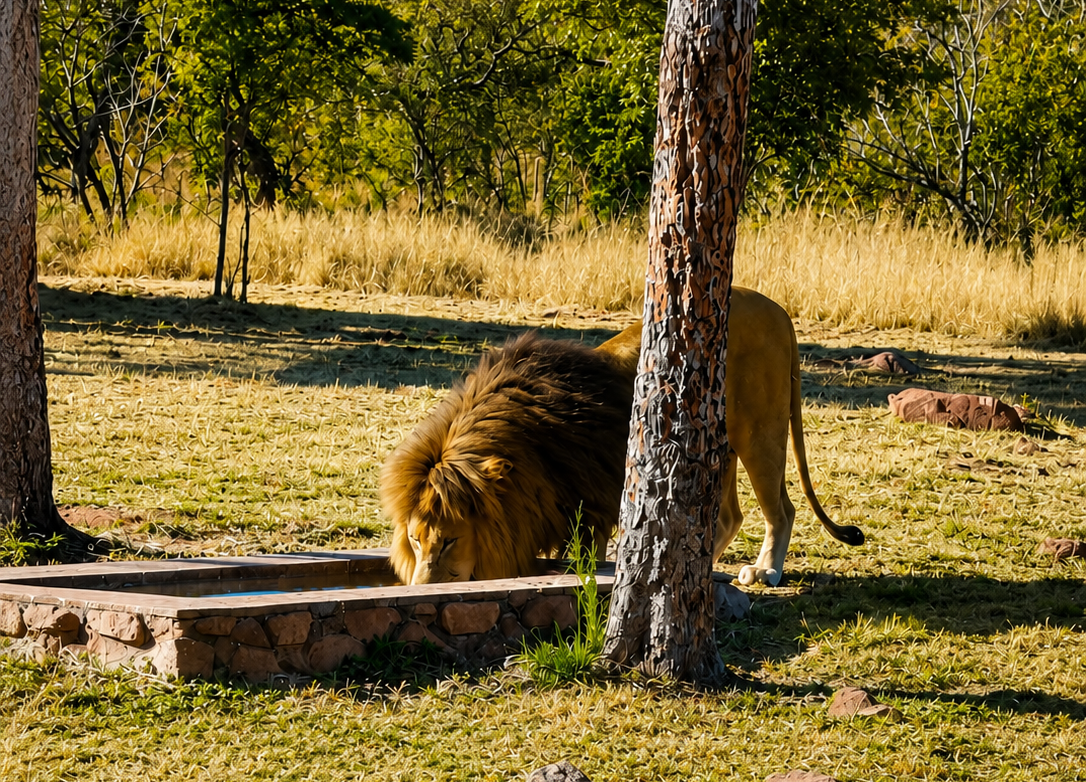
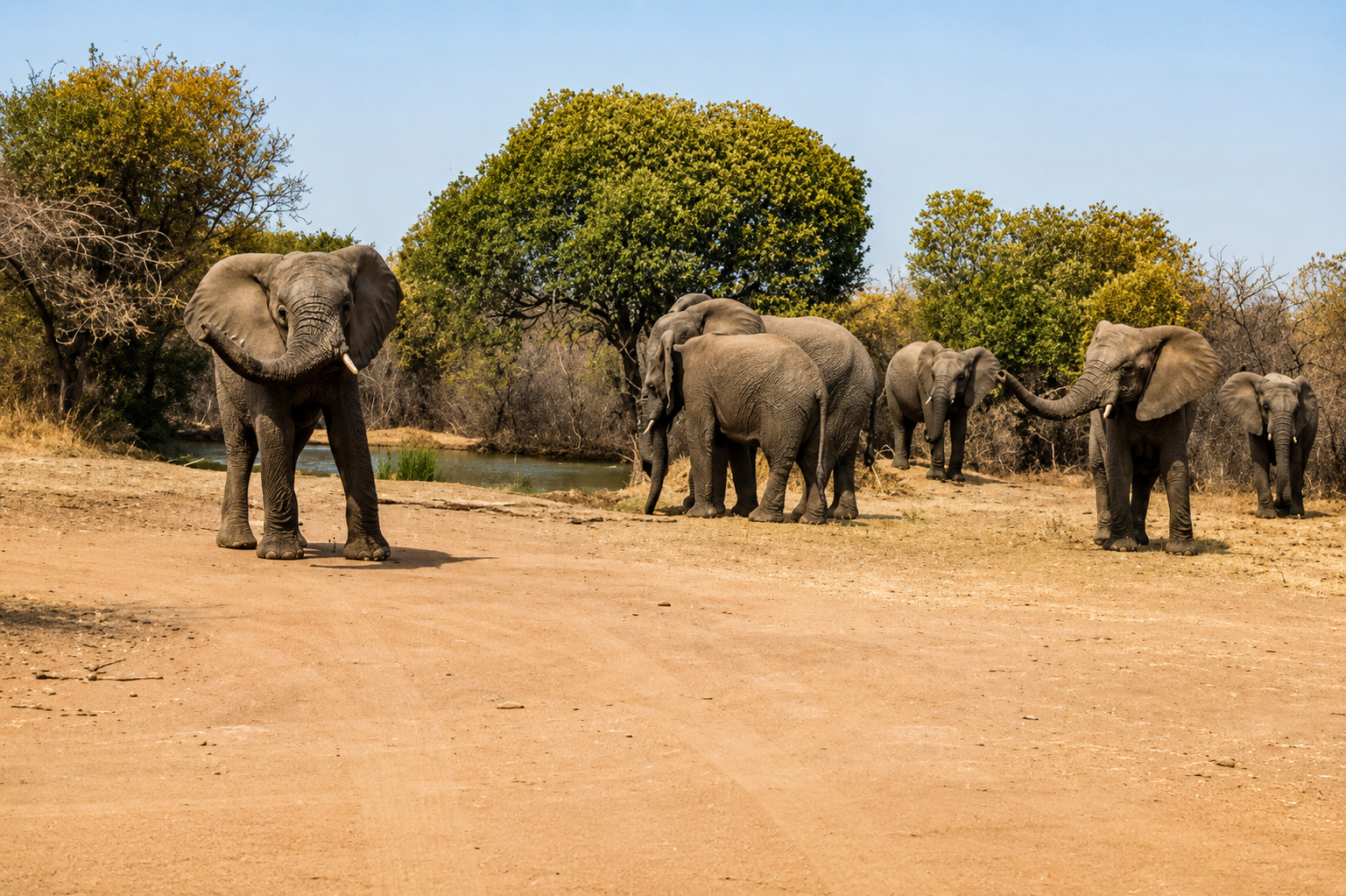
Water supports far more than drinking needs. It sustains vegetation, maintains soil health, supports insects and aquatic life, and creates habitats for countless species. Seasonal pans, rivers, wetlands, and streams all play important ecological roles. During droughts, wildlife naturally gathers around remaining water sources, increasing grazing pressure, predator activity, disease transmission, and competition for food. Understanding these natural cycles is vital before introducing artificial water infrastructure.
Different Species and their water requirements
Different species have different water requirements. Large herbivores such as buffalo need frequent access to water, while many antelope obtain much of their moisture from vegetation. Water needs are influenced by body size, diet, temperature, reproductive status, age, activity levels, and seasonal conditions. Pregnant and lactating females, along with young animals, are particularly vulnerable during prolonged dry periods.
Planning for seasonal water availability should form part of every property’s long-term management strategy. During the rainy season, temporary water sources allow wildlife to spread naturally, reducing grazing pressure around permanent water points. During dry seasons, animals concentrate around reliable water, placing additional stress on surrounding vegetation and habitats.
Water types
Natural rivers, springs, and seasonal pans have sustained wildlife for thousands of years. Modern conservation areas often supplement these with boreholes, dams, reservoirs, troughs, rainwater harvesting systems, and gravity-fed distribution networks. While these systems provide valuable support, they must be carefully planned. Poorly positioned water points can encourage overgrazing, soil erosion, habitat degradation, and changes in natural wildlife movement. Artificial water should support ecological objectives rather than replace natural processes.
Water quality
Water quality is just as important as water availability. Poor-quality water can reduce animal health, breeding success, and disease resistance. Regular inspections should include water clarity, odour, algae growth, sediment build-up, pump performance, leaks, infrastructure condition, and safe access for wildlife. Preventative maintenance is more cost-effective than emergency repairs while ensuring reliable year-round water supplies.
Every wildlife property is unique. Rainfall, vegetation, soil type, topography, carrying capacity, and wildlife populations all influence the most appropriate water management strategy. Careful planning helps protect biodiversity while ensuring infrastructure remains practical, sustainable, and resilient as climate variability increases.
Reliable water benefits birds, reptiles, amphibians, insects, aquatic organisms, and mammals alike. Well-managed water points often become biodiversity hotspots that strengthen ecological relationships across the landscape. The objective is not simply to provide water, but to maintain balanced ecosystems where wildlife and vegetation thrive together.
Responsible water management remains one of the most valuable investments any wildlife property can make. By understanding the relationship between water, animal behaviour, and environmental health, landowners can make informed decisions that support both conservation and long-term sustainability.
Frequently Asked Questions
1.Why is water management so important on a wildlife property?
Why is water management so important on a wildlife property?
2.Should every wildlife property install artificial water points?
No. Artificial water sources should complement natural ecosystems rather than disrupt them.
3.How often should water sources be inspected?
Inspect them regularly, with more detailed maintenance before and during dry seasons.
4.Does providing more water always improve conservation?
No. Poorly planned infrastructure can increase grazing pressure, alter wildlife behaviour, and damage sensitive habitats.
Next Month: Water Quality: Protecting Wildlife Through Better Water Management
I am continuously searching online for tips that can aid me. Thanks!