
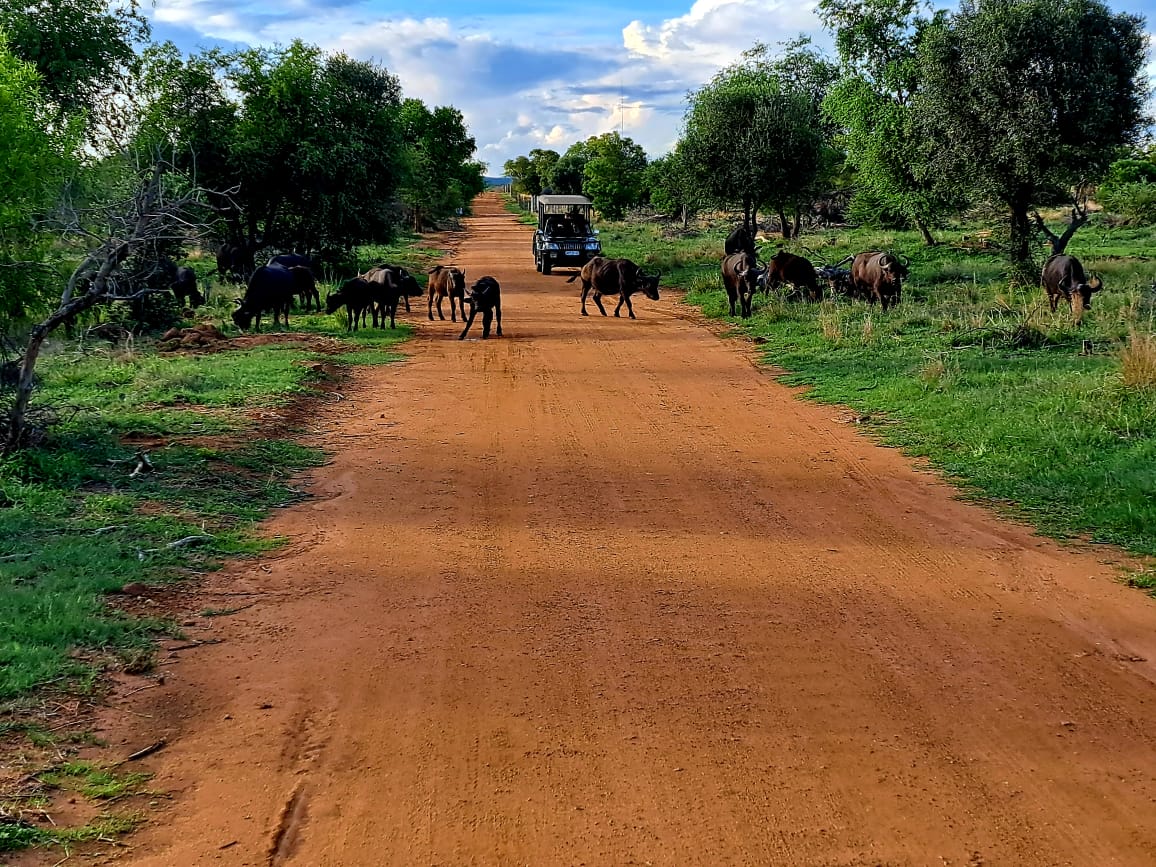

 Protecting local ecosystems while contributing to a bigger picture
Conservation does not happen in isolation. Every reserve, ecosystem, and management action forms part of a larger environmental picture. While Mabalingwe’s ecological management plan focuses on protecting and improving conditions within the reserve, it also supports broader conservation objectives that extend far beyond its boundaries.
Healthy ecosystems at a local level contribute directly to regional and national biodiversity goals.
Conservation Starts with Healthy Ecosystems
South Africa is home to some of the world’s richest biodiversity, but these ecosystems face increasing pressure from:
- Habitat loss
- Land degradation
- Invasive species
- Climate variability
- Human development pressures
Protecting biodiversity requires action at every level — from national conservation strategies to practical management on individual reserves.
At Mabalingwe, many of our management practices support these wider goals.
How Mabalingwe Supports Conservation Objectives
Protecting Biodiversity
Through veld management, invasive plant control, and habitat restoration, Mabalingwe helps maintain:
- Indigenous plant communities
- Healthy wildlife populations
- Diverse habitats across different ecological zones
Biodiversity strengthens ecosystem resilience and supports natural ecological processes.
Restoring and Maintaining Veld Health
Efforts such as:
– Bush thinning
– Erosion control
– Controlled burning
– Sustainable grazing practices
help restore degraded areas and improve ecosystem function over time.
Healthy veld supports both wildlife and long-term environmental sustainability.
Promoting Sustainable Resource Use
Using only a portion of calculated grazing capacity demonstrates a commitment to:
- Long-term ecosystem health
- Responsible land use
- Drought resilience
- Sustainable wildlife management
This approach prioritizes future ecological stability over short-term gains.
Using Science-Based Management
Regular monitoring and adaptive management ensure that decisions are based on measurable information rather than assumptions.
By continually assessing veld condition, species composition, and ecological trends, Mabalingwe contributes to a growing understanding of ecosystem management in practice.
Conservation Is a Shared Responsibility
Protecting biodiversity is not only the responsibility of conservation authorities or reserve managers. Visitors, landowners, staff members, and surrounding communities all play a role.
Simple actions can make a meaningful difference:
- Respecting protected areas
- Avoiding the spread of invasive plants
- Supporting sustainable practices
- Understanding and valuing natural systems
Looking Beyond Today
The goal of ecological management is not simply to maintain the reserve as it exists now — it is to ensure that future generations inherit landscapes that remain healthy, functional, and rich in biodiversity.
Mabalingwe’s ecological management plan reflects a long-term vision:
Healthy veld → Healthy wildlife → Healthy ecosystems
Conservation succeeds when local action supports broader environmental goals.
By managing its ecosystems responsibly, Mabalingwe contributes to a much larger effort — protecting South Africa’s natural heritage for generations to come.