

 Designing Wildlife Waterholes: Creating Sustainable Water Sources That Work with Nature
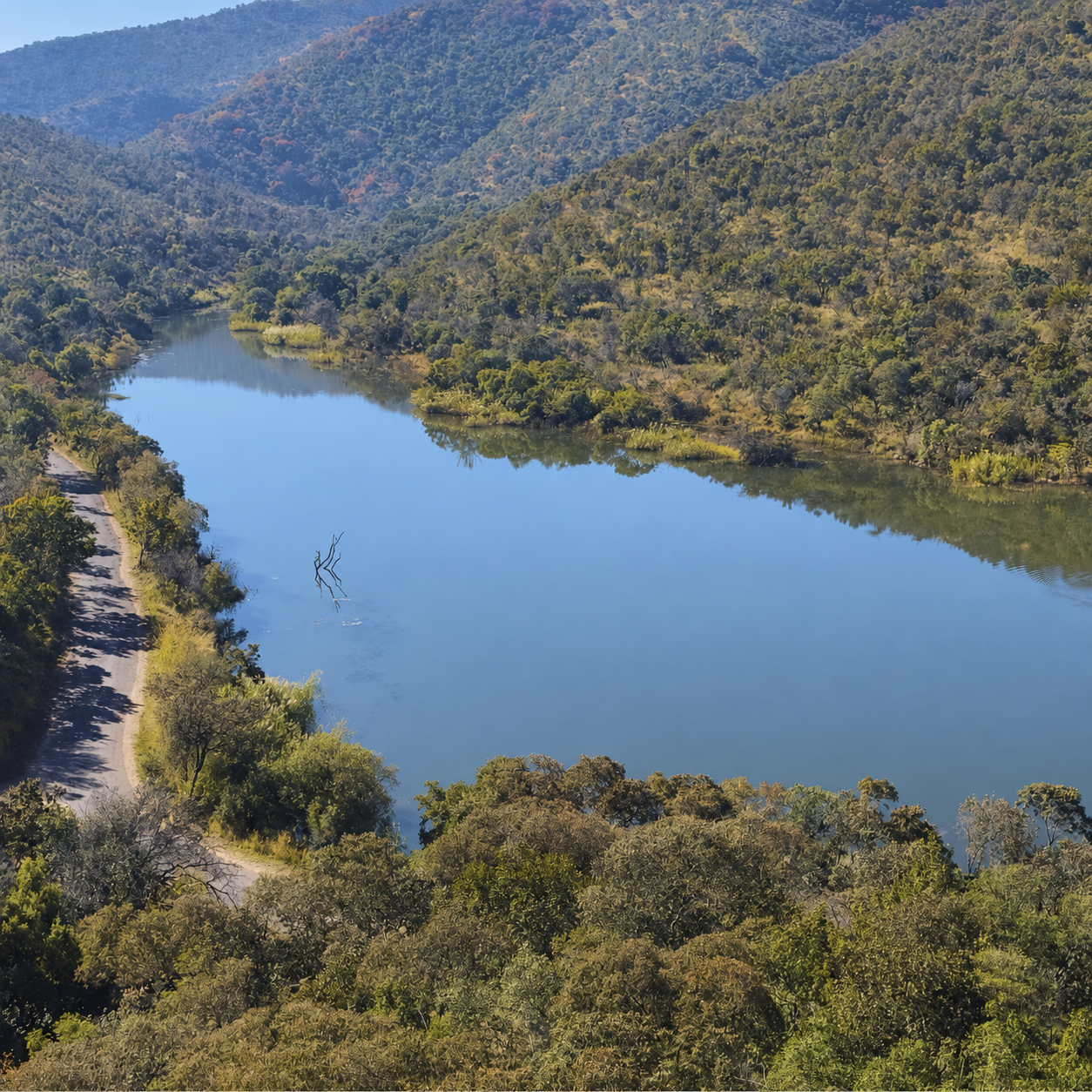
Waterholes are valuable assets on wildlife properties. They provide reliable drinking water, support biodiversity, and create gathering places where wildlife interacts with its environment. Yet a successful waterhole requires more than excavating a hole and filling it with water. Its location, design, and long-term management determine whether it becomes a conservation asset or an ongoing maintenance challenge.
Well-designed waterholes work with the natural landscape. With careful planning and quality construction, they can support wildlife, protect vegetation, reduce erosion, and provide decades of reliable service.
Start with Careful Planning
Every wildlife property is unique. Soil type, rainfall, topography, vegetation, wildlife populations, natural water sources, drainage patterns and game trails all influence where a waterhole should be built. Managers must also consider seasonal rainfall, soil stability, access for maintenance equipment and future upkeep.
Location is one of the most important decisions. A poorly positioned waterhole may suffer erosion, sediment build-up and repeated repairs, while a carefully selected site works naturally with the surrounding landscape.
Understand Wildlife Behaviour
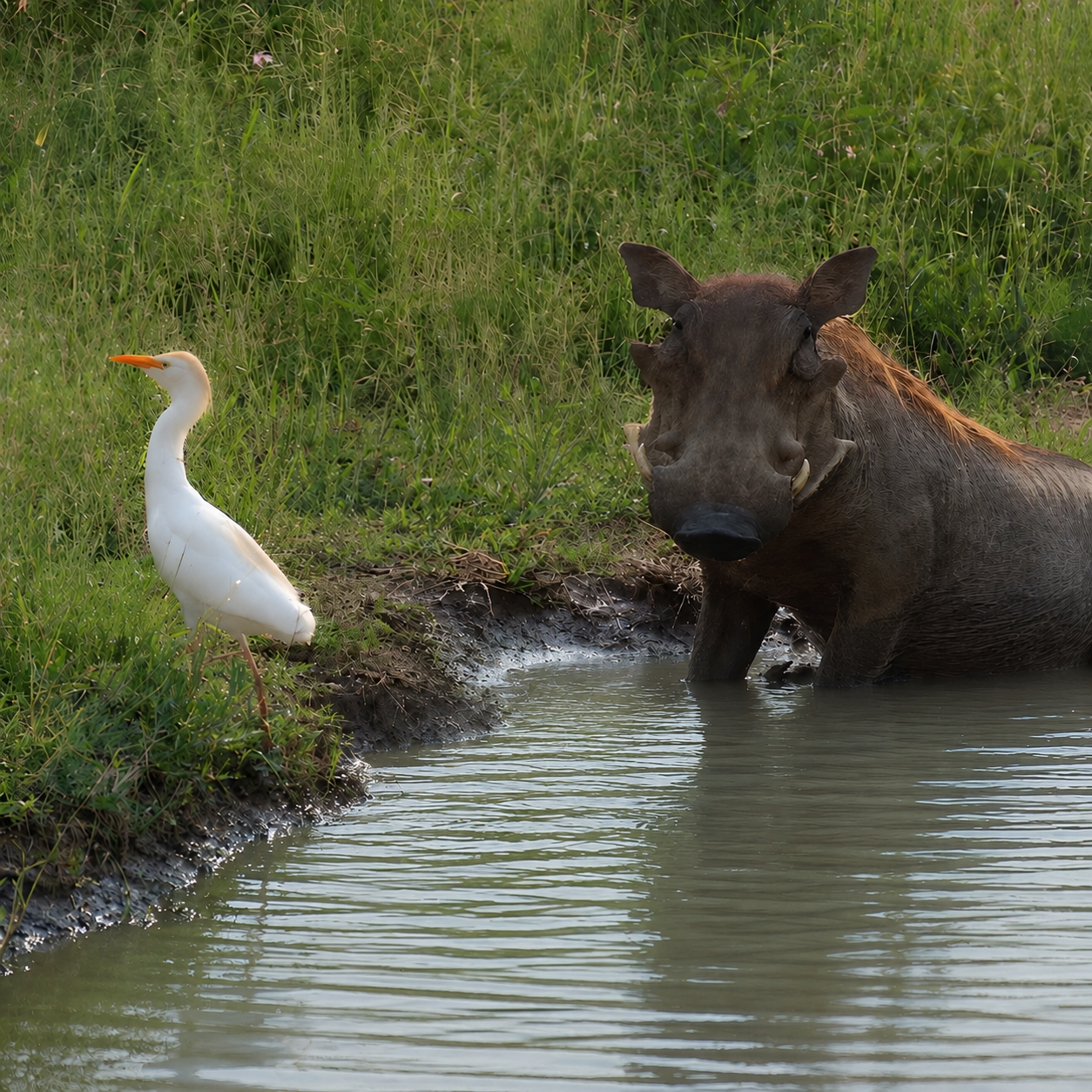
Animals often follow established game trails, while some species prefer open approaches where predators are easier to detect. Buffalo and giraffe need stable footing and easy access; smaller antelope may favour quieter areas with less competition. Shallow edges and gradual transitions also benefit birds, reptiles, amphibians and insects. Designing for multiple species encourages biodiversity and a healthier ecosystem.
Use Gentle Slopes
Steep banks increase erosion, bank collapse, slipping and difficult access for smaller animals. Gentle slopes allow wildlife to enter and exit safely while stabilising the surrounding soil. Wherever possible, the design should follow natural contours instead of dramatically altering the landscape.
Plan for Seasonal Water Levels
Water levels rise during heavy rain and fall during prolonged dry periods. A resilient waterhole accommodates both extremes. Overflow systems should safely divert excess water and protect embankments from erosion, while the design should remain stable and accessible when levels drop during drought.
Protect the Surrounding Habitat
Healthy vegetation stabilises soil, filters runoff, improves water quality and provides habitat for smaller wildlife. However, concentrated grazing around permanent water can quickly damage this protection. Regular monitoring helps managers identify bare ground,
erosion and vegetation loss early, allowing restoration before lasting damage occurs.
Build for Long-Term Success
A waterhole is a long-term investment. Stable embankments, effective overflow structures, durable inlet and outlet systems, appropriate sealing, erosion protection and safe maintenance access may cost more initially, but they usually reduce repairs and deliver substantial savings over the infrastructure’s lifespan.
Blend with the Natural Landscape
A waterhole is a long-term investment. Stable embankments, effective overflow structures, durable inlet and outlet systems, appropriate sealing, erosion protection and safe maintenance access may cost more initially, but they usually reduce repairs and deliver substantial savings over the infrastructure’s lifespan.
Blend with the Natural Landscape
Artificial waterholes should complement their surroundings rather than dominate them. Following natural contours, using local materials and preserving established vegetation reduces visual impact and encourages natural wildlife behaviour. The aim is to integrate a functional water source into the wider ecosystem.
Reduce Maintenance Through Good Design
Many recurring problems begin during construction. Thoughtful design can limit sediment build-up, erosion, pipe blockages, leakage, overflow damage and excessive algae growth. Routine inspections should check embankments, overflow channels, valves, pipelines and pumps, while also monitoring sediment and nearby vegetation. Preventative maintenance is more economical than emergency repairs.
Support Biodiversity and Climate Resilience
Waterholes support birds, amphibians, reptiles, aquatic invertebrates, pollinating insects and small mammals as well as large game. These species contribute to pollination, seed dispersal, nutrient cycling and insect control, strengthening ecological resilience.
Changing rainfall patterns and higher temperatures make resilient infrastructure increasingly important. Future-ready waterholes need adequate storage, effective overflow systems, erosion-resistant embankments, efficient distribution and, where suitable, integration with rainwater harvesting. These measures prepare properties for both extended drought and intense rainfall.
Conclusion
Successful wildlife waterholes combine sound engineering with ecological understanding.
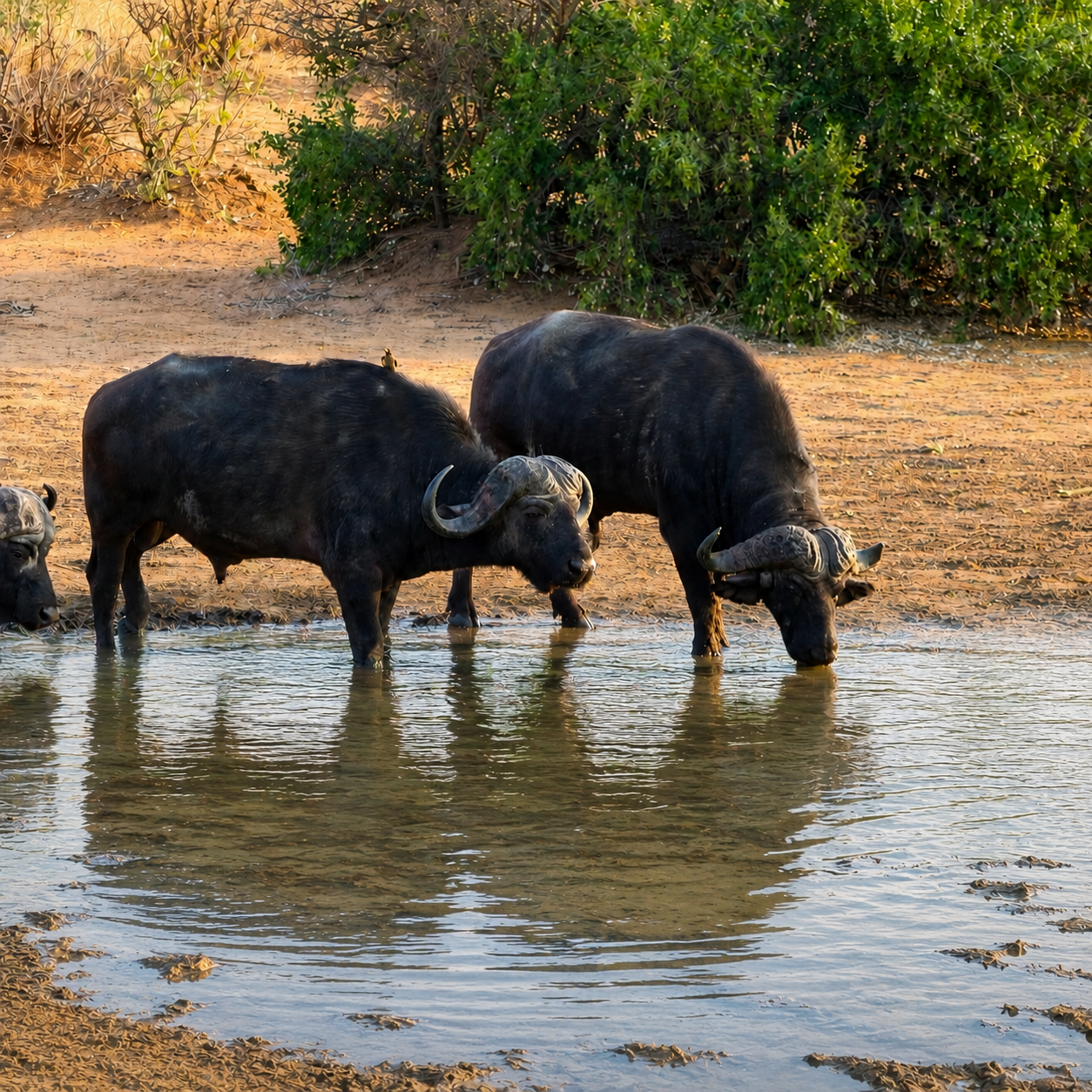
When carefully planned and maintained, they provide reliable water, protect habitats, encourage biodiversity and reduce long-term costs. The best waterholes do not work against nature; they become part of it, supporting healthy ecosystems for generations.
Coming Next Month: Artificial Water Points and Their Ecological Impact—how water sources influence wildlife movement, grazing and ecosystem health.