

Foot-and-Mouth Disease (FMD): Protecting Our Wildlife and Livestock
Foot-and-Mouth Disease (FMD) has recently been confirmed in our region. While there are currently no reported cases on our property, the proximity of the outbreak requires us to act responsibly and proactively to safeguard our livestock, wildlife, and broader ecosystem.
What Is Foot-and-Mouth Disease?
Foot-and-Mouth Disease is a highly contagious viral disease that affects cloven-hoofed animals such as cattle, buffalo, antelope, sheep, and goats.
The virus spreads easily through:
- Direct contact between animals
- Contaminated vehicles, equipment, and footwear
- Movement of people between farms or reserves
- Windborne transmission over short distances
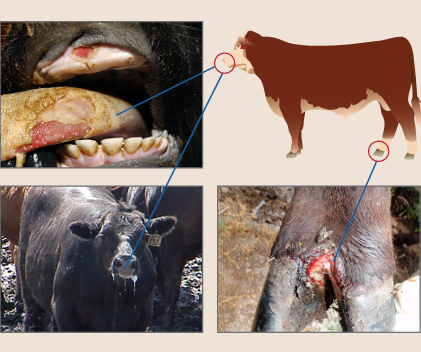
Symptoms may include:
- Blisters and sores in the mouth and on the tongue
- Lameness and lesions around the hooves
- Fever and reduced appetite
- Excessive salivation
Although FMD does not typically pose a direct threat to human health, its impact on agriculture, wildlife management, and the economy can be severe. Movement restrictions and trade limitations are common consequences of outbreaks.
Why Prevention Matters
Our reserve environment includes species that are susceptible to FMD. Preventing introduction of the virus is far more effective — and less costly — than responding to an outbreak.
A single contaminated vehicle entering the property can pose a risk. For this reason, access control and disinfection protocols are essential precautionary measures.
Our Immediate Action Plan
In response to the confirmed regional outbreak, the following precautionary measures are being implemented:
1. Controlled Access Points
- Only two gates will remain operational during this precautionary period:
- The Main Gate
- The Elandsfontein Gate
The Cyferfontein Gate will be addressed in consultation with the relevant trustees.
2. Vehicle Disinfection Protocol
- All vehicles entering through the Main Gate will undergo mandatory disinfection.
- Disinfection will be conducted using backpack spray units with an approved agricultural disinfectant.
- Two dedicated staff members will be stationed at the Main Gate to manage and implement the spraying protocol.
- The existing guard at Elandsfontein Gate will manage disinfection duties at that lower-traffic access point.
Engagement is underway with Cyferfontein Trustees to determine whether their security personnel can implement similar measures at that entrance.
3. Operational Oversight
- The MCPA (Mabalingwe Common Property Association) will oversee and manage the operational implementation of these control measures.
What We Ask of Residents and Visitors
You can support these efforts by:
- Cooperating fully with disinfection procedures at access gates
- Minimising unnecessary travel between farms or reserves
- Disinfecting footwear if you have recently visited other agricultural properties
- Reporting any suspected animal health concerns immediately
Acting Early to Protect What Matters
Disease prevention is time-sensitive. Early intervention significantly reduces risk and protects:
- Our wildlife populations
- Livestock assets
- Property values
- Our collective long-term sustainability
These measures are precautionary, responsible, and designed to protect the entire community.
Further updates will be communicated as necessary.
Together, we can safeguard our land and its animals during this regional outbreak.